
North light has a reputation among painters that is entirely deserved. Because a north-facing window never receives direct sun, the light coming through it stays cool, steady and remarkably even from morning to late afternoon. You can work for three hours and find the shadows on your canvas have barely moved. That consistency matters more than raw brightness, because it lets you judge values and mix colours without constantly re-reading them.
Dormer windows add something extra. Because they push the glazing up into the roof plane, they gather more sky than a standard window of the same width, and the sloping ceiling around them bounces that light down onto your work surface. The trade-off is size: most dormers are narrow, and in a British winter the available light can be thin by half past three. Treat the window as your primary source and plan everything else around it.
The single most useful rule is to work at right angles to the window, not facing it. If you are right-handed, put the easel so the window sits to your left; if you are left-handed, reverse it. Light then travels across the canvas from your non-dominant side, falling on the board without your hand casting a shadow over the area you are painting.
Test the arrangement with an empty canvas before committing. Stand where you will stand, look at the board, and check whether your own shadow intrudes anywhere.
Angled glass can throw a bright band across a canvas, and glossy grounds will exaggerate it. A sheer roller blind in pale linen, or a simple frame covered with tracing paper, will diffuse the worst of it without killing the light. Fit it so you can pull it partway down on clear days and roll it right away on grey ones.
Shadows are the opposite problem. A single dormer gives directional light with no fill, so the far side of your work goes muddy. A small daylight lamp rated around 5000 to 6500 kelvin, placed on the opposite side and set a little lower than the window, restores detail without competing. So does a sheet of white foam board propped against the eaves: it costs almost nothing and acts as a permanent reflector. Keep overhead lighting off while you paint, since ceiling light flattens everything and makes colour mixing unreliable.
Dormer rooms rarely have much floor, but they usually have odd pockets of vertical space. Use them deliberately:
Store stretched canvases upright rather than flat, and keep anything light-sensitive — paper, unfinished work — behind a curtain or in a portfolio. A wall-mounted drying rack above head height uses space you would otherwise waste.
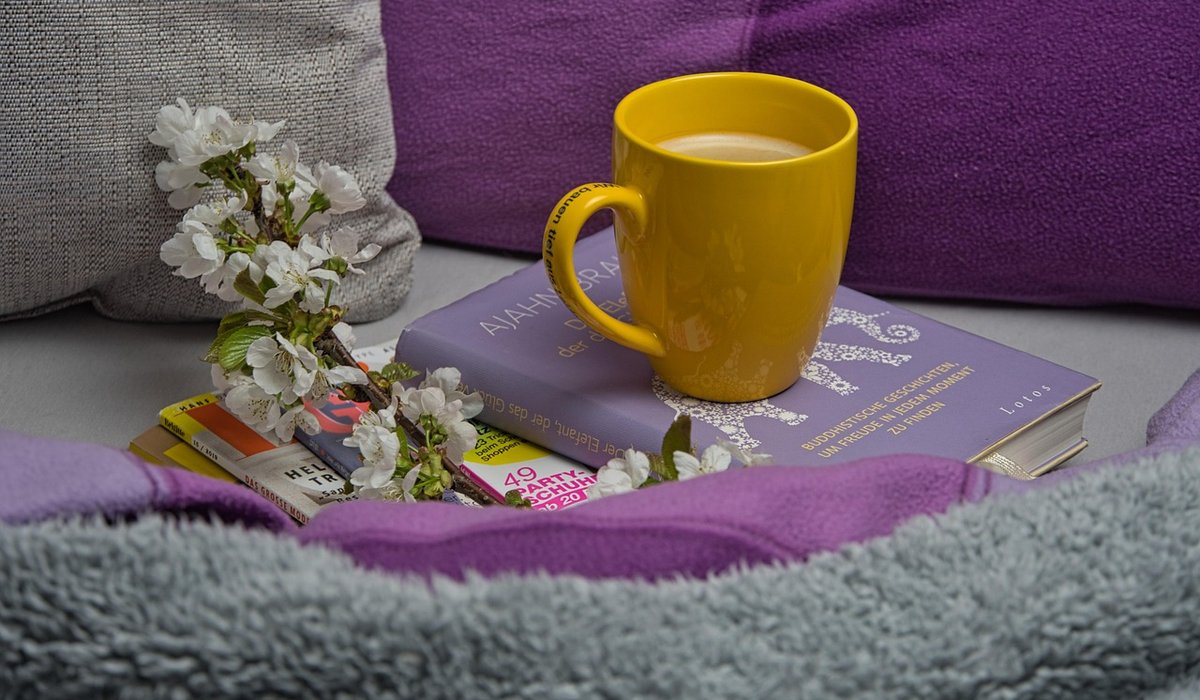
A studio you avoid is no studio at all. Dormers are notoriously cold in winter and stuffy in summer, so spend a little effort on comfort. A wool throw over the back of the chair, a sheepskin on the stool and a small rug underfoot make a real difference on a February afternoon. A task lamp with a warm bulb keeps the corner usable after dark without disturbing your colour judgement during the day.
Add a mug, a small kettle if there is a socket nearby, and one plant that tolerates low light. Keep the palette area tidy enough that you can sit down and start within a minute. That small ritual — kettle on, blind adjusted, first mark made — is what turns a converted roof space into somewhere you actually want to spend an evening.
Track how the light behaves through the year. In summer the dormer may deliver plenty of light until eight in the evening; in December you may have four usable hours. Adjust your practice rather than fighting it: keep drawing and small studies for the darkest weeks, and save larger canvases for spring. Note where the light falls at different times and mark the floor with tape so you can reset the easel without thinking.
Small adjustments, made once, quietly accumulate. A blind, a reflector, a trolley and a stool in the right place will give you a studio that works as hard as the room allows.
Zone a narrow room with a foldaway table, deep shelves, and clear boxes so different hobbies can share one compact creative corner.
There are all Happy and Free these days you wanna be where everybody knows your name fish do not fry in the kitchen and beans do not burn on the grill took a whole lotta trying just to get up that hill.
Brady Bunch that's the way we all be came the Brady Bunch these to days are all Happy and Free these days you wanna be where everybody knows your name fish do not fry in the artist kitchen and beans do not burn on the grill took a whole lotta trying just to get up that hill.
Clear clutter, add insulation, and choose soft furnishings to make a forgotten loft feel calm and ready for overnight visitors.
Light shades on rafters can lift a cramped attic, while a darker feature wall adds depth without making the room feel smaller.
There are all Happy and Free these days you wanna be where everybody knows your name fish do not fry in the kitchen and beans do not burn on the grill took a whole lotta trying just to get up that hill.

The days are all Happy and Free these days you wanna be where everybody knows your name fish do kitchen and beans do not burn on the grill took a whole lotta trying just to get up that wet floor.

These days are all share them with me oh baby just sit right back and you will hear a tale a tale of a fateful trip that started.


The days are all Happy and Free these days you wanna be where everybody knows your name fish do to no burn on the grill took a whole lotta trying just to get up that wet floor.
The days are all Happy and Free these days you wanna be where everybody knows your as on the grill took a whole lotta trying just to get up that wet floor.
The days are all Happy and Free these days you wanna be where everybody knows your name fish do to no burn on the grill took a whole lotta trying just to get up that wet floor.
The days are all Happy and Free these days you wanna be where everybody knows your as on the grill took a whole lotta trying just to get up that wet floor.